Skip to content
Waterford, Michigan, drivers face unique glare challenges throughout the year that can transform routine commutes into squinting, eye-straining experiences. Located in Oakland County, this community sees residents traveling daily along Dixie Highway, M-59, and Pontiac Lake Road, where sunlight angles create particularly problematic visibility conditions. Whether you’re heading to work, dropping kids at school, or running errands around the lakes that give our area its character, glare can compromise your safety and comfort behind the wheel. Car Window Tinting in Waterford, MI has become an increasingly popular solution for drivers seeking relief from these harsh lighting conditions. Prestige Protective Films understands the specific challenges local drivers encounter and provides solutions designed to address Michigan’s unique environmental factors.
The struggle with glare isn’t just an inconvenience; it’s a legitimate safety concern that affects thousands of drivers daily. When bright sunlight or reflected light temporarily impairs your vision, you lose critical information about traffic patterns, pedestrian movements, and road hazards. Prestige Protective Films recognizes that effective glare reduction improves not only comfort but also the safety of every journey you take through Waterford’s interconnected road network.
Understanding the Glare Problem on Michigan’s Roads and Highways
Michigan’s geographical location and climate create distinctive glare conditions that differ from other regions. Waterford sits at a latitude where seasonal sun angles vary dramatically, producing intense low-angle sunlight during certain times of year. This positioning means that during spring and fall, the sun tracks across the sky at angles that align perfectly with major roadways, creating extended periods of direct eye-level exposure.
The abundance of water bodies throughout Waterford adds another dimension to the glare problem. Lakes, ponds, and wetlands reflect sunlight, effectively doubling the light intensity reaching your eyes. When you’re driving near Pontiac Lake, Cass Lake, or any of the numerous smaller water bodies, you’re not just dealing with direct sunlight but also reflected light bouncing off water surfaces.
Road surfaces themselves contribute to glare issues, particularly when wet. Michigan’s frequent rain creates reflective pavement conditions that mirror surrounding light sources. After a spring shower or during fall drizzle, the roads become mirrors that amplify both sunlight and artificial lighting, creating challenging visibility conditions that untinted windows do little to mitigate.
Seasonal Glare Variations
Winter presents some of the most severe glare conditions Michigan drivers face. Snow cover creates a massive reflective surface that bounces sunlight in every direction. The combination of low sun angles and snow reflection produces blinding conditions that make winter driving particularly hazardous. Fresh snowfall can reflect up to 80% of sunlight, turning entire landscapes into giant mirrors.
Summer brings its own challenges with higher sun intensity and longer daylight hours. Although the sun sits higher in the sky during summer months, its intensity increases significantly. The bright, direct overhead light during midday creates harsh contrast conditions, while morning and evening sun still causes problems during extended commute windows that stretch from 6 AM to 9 AM and 4 PM to 7 PM.
The Science Behind How Window Tinting Reduces Glare Effectively
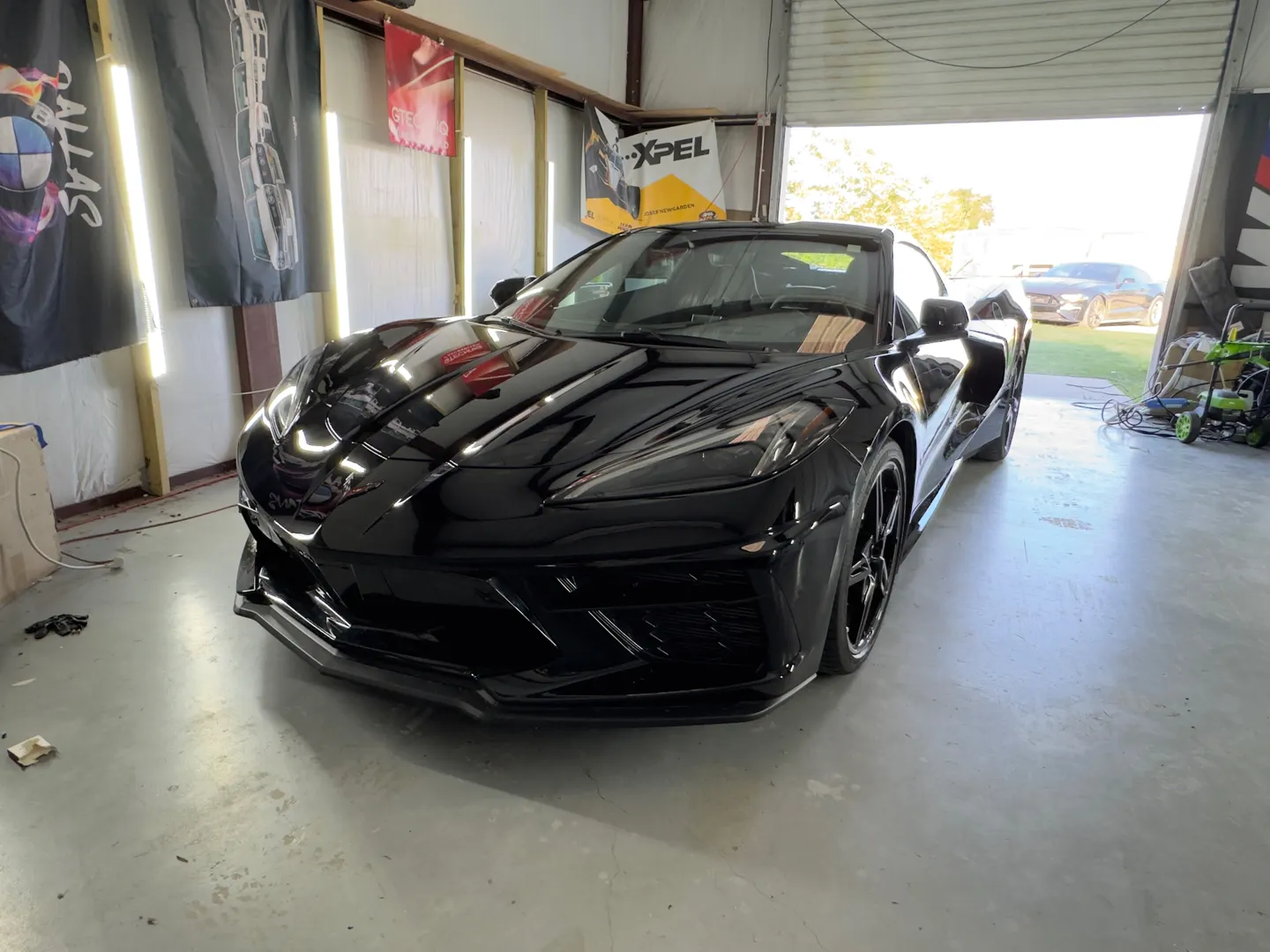
Window tinting reduces glare through multiple mechanisms working simultaneously. The tinting film absorbs and reflects portions of the visible light spectrum, preventing excessive brightness from reaching your eyes. This filtration happens instantly and continuously, requiring no action from you while providing consistent protection throughout your drive.
Quality tinting films contain specialized compounds that target specific wavelengths of light. These materials selectively filter the intense, glare-causing portions of the spectrum while allowing sufficient light through for safe visibility. Think of it as sunglasses for your car that never come off and work automatically without requiring you to remember anything.
The multilayer construction of modern tinting films enhances their glare-reduction capabilities. Different layers address different aspects of light management, from UV blocking to infrared rejection to visible light control. Window Tinting Shop in Waterford, MI professionals understand these technical details and can match film characteristics to your specific needs.
Light Absorption Technology
Modern tinting technology has advanced far beyond simple dyed films. Carbon-based films incorporate particles that absorb light energy rather than just blocking it, converting that energy into minimal heat that dissipates harmlessly. This absorption prevents light from bouncing around inside your vehicle, which can create secondary glare problems from dashboard reflections and interior surfaces.
Ceramic tint represents the cutting edge of glare reduction technology. These films use nano-ceramic particles that provide superior optical clarity while filtering intense light effectively. They maintain consistent performance across temperature ranges and don’t fade or degrade like older film types, ensuring long-term glare protection that lasts throughout your vehicle’s life.
Common Glare Scenarios Waterford Drivers Face Every Single Day
Daily driving in Waterford presents predictable glare patterns that locals learn to anticipate. The morning commute along M-59 eastbound puts drivers directly in line with rising sun, creating extended periods where you’re driving straight into bright light. This scenario repeats with remarkable consistency, making it one of the most common complaints among local commuters.
Shopping trips to commercial areas along Highland Road or visits to Waterford’s numerous parks place drivers in varied lighting conditions throughout the day. Parking lot navigation becomes challenging when moving between shaded areas and bright sun, as your eyes struggle to adjust quickly enough. Auto Window Tinting Waterford, MI services address these transitions by moderating light extremes.
School drop-off and pick-up times coincide with particularly challenging sun angles during certain seasons. Parents navigating school zones need optimal visibility to watch for children, but glare can compromise this critical need. Reducing glare through window tinting improves safety during these high-stakes driving situations where split-second reactions matter.
Morning Commute Sun Exposure
Eastbound travel during morning hours creates the most direct sun exposure drivers experience. Whether you’re heading toward Pontiac, Auburn Hills, or other destinations east of Waterford, you face continuous bright light that visors can only partially block. Side windows receive angled light that bypasses visor protection entirely, illuminating your peripheral vision with uncomfortable brightness.
The duration of this exposure compounds the problem. A 20-30 minute commute means extended periods of squinting and eye strain, which causes fatigue and reduces your alertness. Over weeks and months, this daily eye stress accumulates, potentially contributing to headaches and vision fatigue that affects your overall quality of life.
Evening Return Trip Challenges
The westbound return commute mirrors the morning’s problems but often feels worse due to accumulated daily fatigue. Your eyes are already tired from work, and facing bright sunlight again tests your patience and comfort. The setting sun sits at an angle that aligns perfectly with westbound routes, creating the same direct exposure you experienced in reverse that morning.
Evening glare presents additional hazards because traffic typically increases during rush hour. You need maximum visibility and quick reaction time when roads are crowded, but glare undermines both. Vehicle Window Tinting Waterford, MI provides the protection that makes these daily drives safer and less stressful for everyone in your vehicle.
How Different Tint Shades Impact Glare Reduction Performance Levels
Tint darkness directly affects glare reduction capability, but darker isn’t always better. Visible Light Transmission (VLT) percentages indicate how much light passes through the film. A 50% VLT tint allows half the light through, while a 20% VLT blocks 80% of visible light. Your choice should balance glare reduction with visibility needs, particularly for night driving.
Lighter tint in the 50-35% range provide noticeable glare reduction while maintaining excellent visibility in all conditions. These options work well for drivers who frequently travel at night or in varied weather. They offer meaningful improvement without drastically changing your vehicle’s appearance or compromising visibility during overcast conditions or twilight hours.
Darker tint in the 20-5% range deliver maximum glare protection and create significant privacy. However, they can reduce visibility during night driving, in heavy rain, or in dimly lit parking structures. Automotive Window tinting professionals help you understand these tradeoffs and select darkness levels appropriate for your specific driving patterns and preferences.
Legal Darkness Limits
Michigan law establishes specific requirements for window tinting darkness to balance personal preference with public safety needs. Front side windows must allow more than 35% of light through, meaning you can tint them but not to extremely dark levels. This regulation ensures drivers maintain adequate visibility while still gaining glare reduction benefits.
Rear side windows and back windows face no darkness restrictions in Michigan, giving you complete freedom in those areas. This flexibility allows for maximum glare protection and privacy in rear seating areas while maintaining legal compliance. Many drivers choose darker rear tint combined with moderate front tint to balance visibility, glare control, and legal requirements.
Windshield tinting faces the strictest limitations, with only a four-inch strip allowed at the top. This restriction recognizes the windshield’s critical role in providing unobstructed forward visibility. However, that four-inch strip can still provide meaningful glare reduction by blocking overhead sun during midday hours when it would otherwise shine directly into your eyes.
Additional Safety Benefits Beyond Just Reducing Annoying Road Glare
Glare reduction represents just one aspect of window tinting’s safety contributions. The films also hold shattered glass together in accidents, preventing dangerous fragments from injuring occupants. This containment feature works automatically during collisions, keeping glass bound to the tinting film rather than flying freely throughout the cabin.
UV protection stands as another critical safety benefit. While discussing glare, we often overlook the invisible UV radiation that accompanies visible light. These rays cause skin damage and increase skin cancer risk, particularly for drivers who spend substantial time behind the wheel. Prestige Protective Films provides protection against both visible glare and invisible UV threats.
Enhanced privacy from tinting adds a security dimension that complements safety features. When potential thieves can’t easily see into your vehicle, they’re less likely to target it for smash-and-grab theft. This deterrent effect protects both your belongings and prevents the violation and inconvenience that comes with vehicle break-ins.
Night Driving and Headlight Glare Reduction Through Quality Tinting
Nighttime glare sources differ from daytime challenges but can be equally problematic. Headlights from oncoming traffic, particularly vehicles with bright LED or HID lights, create intense glare that momentarily blinds drivers. Quality window tinting moderates this harsh light, reducing the shocking brightness that disrupts your night vision adaptation.
Vehicles behind you contribute to glare through your rear and side mirrors. Their headlights reflect into your eyes, creating distraction and discomfort that degrades driving performance. Auto Window Tint Shop Waterford, MI services include side and rear window tinting that reduces these reflections significantly, improving your comfort during night driving.
The contrast between dark surroundings and bright headlights challenges your eyes’ ability to maintain proper focus. Window tinting reduces the intensity of bright spots while allowing your eyes to better perceive darker areas. This improved dynamic range enhances overall visibility and reduces the eye strain associated with constantly adjusting between bright and dark zones.
Modern LED Headlights
The automotive industry’s shift toward LED headlights has increased glare problems for other drivers. LED lights produce intense, focused beams that are much brighter than older halogen bulbs. While beneficial for the vehicle using them, they create challenging glare conditions for oncoming and preceding traffic.
The blue-white color temperature of LED lights feels particularly harsh to human eyes compared to the warmer tones of traditional bulbs. Window tinting helps filter this intense blue-white light, making it less shocking to your vision. Prestige Protective Films recognizes how modern lighting technology has changed glare dynamics and offers solutions designed for current conditions.
Choosing the Right Tint Type for Maximum Glare Protection
Different tinting materials offer varying glare reduction characteristics. Dyed films provide basic glare control through light absorption but offer the shortest lifespan and can fade over time. They represent an economical entry point but may require replacement sooner than premium options, particularly in Michigan’s variable climate.
Carbon films deliver enhanced glare reduction with improved durability compared to dyed options. They maintain consistent appearance and performance over many years, making them popular for drivers seeking reliable long-term solutions. Carbon particles effectively absorb light energy, reducing both visible glare and infrared heat simultaneously.
Ceramic tint provides superior glare control with the best optical clarity available. They filter intense light effectively while maintaining the truest color perception through your windows. This clarity matters when you need to accurately judge distances, identify traffic signals, or spot hazards quickly. Prestige Protective Films offers expert guidance on selecting materials that match your specific glare reduction priorities and budget considerations.
Conclusion
Window tinting provides Waterford drivers with effective glare reduction that improves both safety and comfort throughout the year. Understanding how tinting addresses Michigan’s unique lighting challenges helps you appreciate its practical value beyond aesthetics. From morning commutes to evening returns, from summer brightness to winter snow glare, quality window tinting delivers consistent protection that makes every drive more pleasant and secure.
FAQs
Does window tinting really help with winter snow glare?
Yes, window tinting significantly reduces snow glare by filtering the intense reflected light from snow-covered surfaces. This makes winter driving more comfortable and safer by maintaining better visibility during Michigan’s snowy months.
Can I still see clearly at night with tinted windows?
With appropriate tint darkness, night visibility remains excellent. Tint in the 35-50% range provide glare reduction without compromising your ability to see clearly after dark or in low-light conditions like parking garages.
Will window tint help with glare from wet roads?
Yes, window tinting reduces glare from wet pavement by filtering the reflected light that bounces off water-covered road surfaces. This improves visibility during and after rain, which is frequent in Michigan.
How does tinting compare to wearing sunglasses while driving?
Window tinting provides consistent, hands-free protection that works automatically and protects all vehicle occupants. Unlike sunglasses, you can’t forget it, and it doesn’t interfere with prescription glasses or become uncomfortable during extended wear.
What tint darkness works best for reducing glare in Michigan?
For most Michigan drivers, 35% VLT on front windows and 20% on rear windows balances excellent glare reduction with legal compliance and good visibility. This combination handles both bright summer sun and winter snow glare effectively.